Start eating seasonal fruits and vegetables in January
Start eating seasonal fruits and vegetables in January
Eating seasonal, cooking for the climate
Starting to eat seasonal fruits and vegetables in January is a great idea for this year. This page helps you see what’s in season and provides recipe inspiration. We will also explain the climate impact of eating seasonally.
January is the month when we have only very little seasonal fruits and vegetables. So if you manage to pull it off this month, the rest of the year it will only become easier and easier. Also, don’t make it to hard for yourself and set a goal of 100% seasonal. What about starting with one seasonal recipe a week?
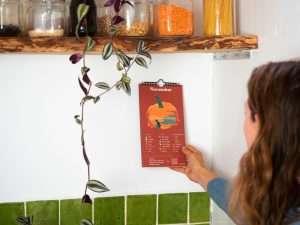
Check out this seasonal calendar for January’s fruits and vegetables!
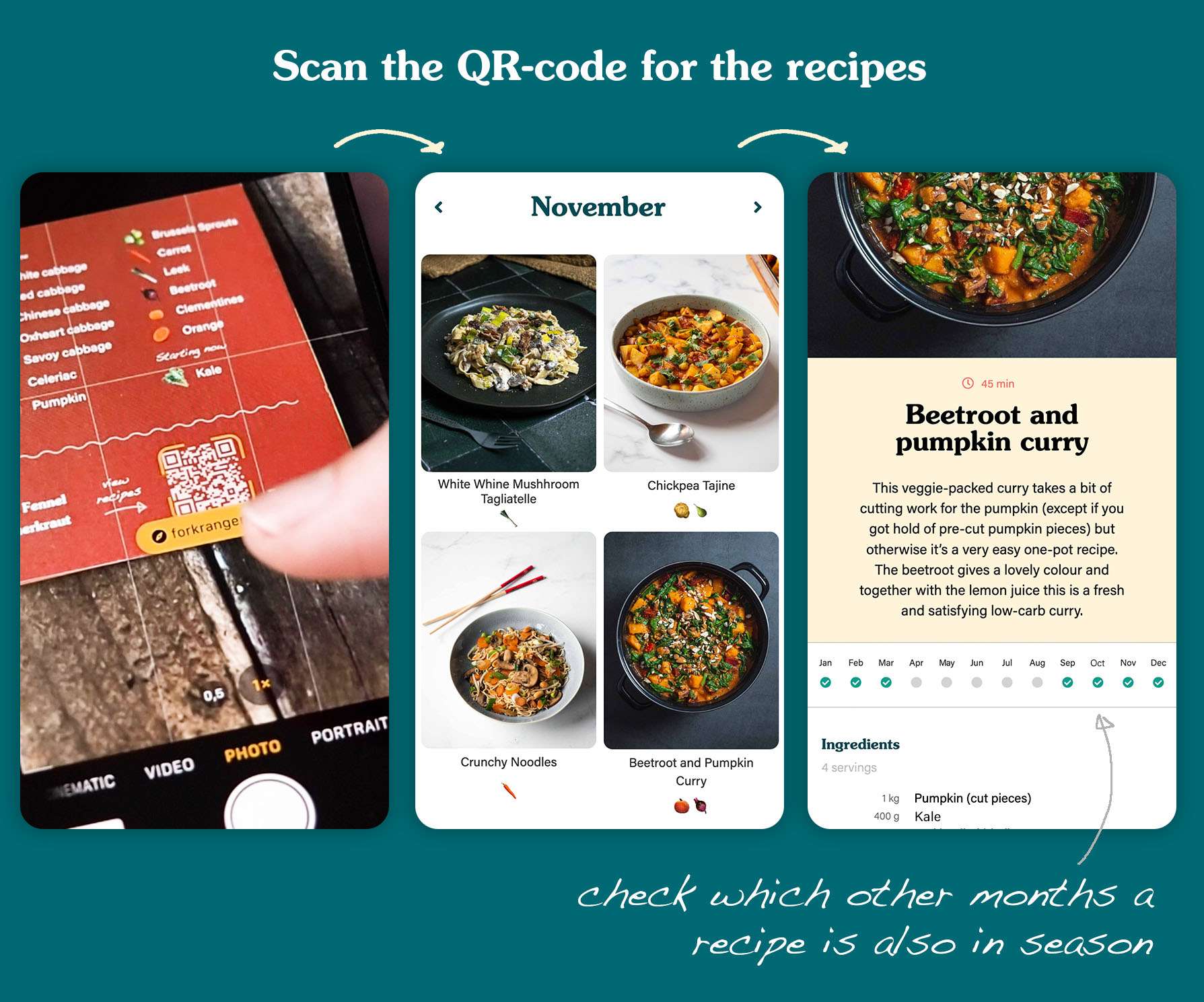
Our seasonal calendar shows what’s in season for each month. Here you see the page with all the seasonal fruits and vegetables in January. It also comes with 4 recipes per month.
 Order here
 January’s seasonal fruit and vegetable list
Last chance
Almost out of season
Pointed cabbage
Great from storage
These products you can store and enjoy for a while longer
Knollensellerie

Carrot

Potato
Beetroot
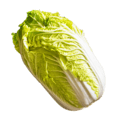
Chinese cabbage
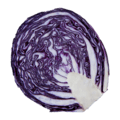
Rotkohl
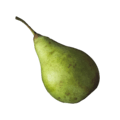
Birne
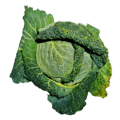
Savoy cabbage
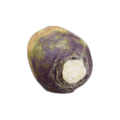
Swede

Apple
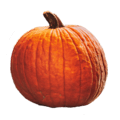
Pumpkin

Black salsify
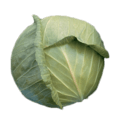
White cabbage
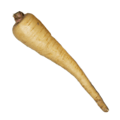
Parsnip
Prime Time
When they’re harvested and at their best!

Grünkohl

Miner’s lettuce

Lauch
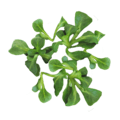
Lamb’s lettuce
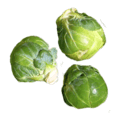
Brussel Sprouts
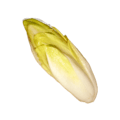
Chicory
The following sources were used for the creation of the seasonal calendar:
Natuur&Milieu, Milieu Centraal, Velt, BZFE, British Seasonal Chart.
Achieve the goal of seasonal cooking with this seasonal calendar in your kitchen!
Our seasonal calendar shows:
- Products that are almost out of season categorize as Letzte Gelegenheit.
- Produkte die schon geerntet wurden aber als Lagerware for several months.
- Hochsaison is when products are harvested and are at their best.
- Starting now shows you the new arrivals.
 Order here
 Your first seasonal recipe with seasonal vegetables from January
Knowing what’s in season is only half the job. Of course you also want to know what to actually make with these seasonal vegetables. In our seasonal calendar, we show four recipes for each month. This is one of our favorites for January:

Brussel Sprouts with Kale and Apple
Nicht jeder mag Rosenkohl, aber sein bitterer Geschmack ergibt eine köstliche Kombination mit den süßen Äpfeln, dem sauren Essig und dem Umami vom Käse.
Go to the recipeGet 48 seasonal vegetable recipes with our calendar
Scan the QR code on each month to get 4 delicious recipes:
- Make use of various in-season produce
- No meat
- Are filled with natural ingredients and herbs, no mixes or processed stuff
- Exciting flavors, no standard salads or boring meals
 Order here
 or shop at local stores in the Netherlands: Oogst in Leiden, Ekoto in Etten-Leur, De Poelboerderij in Wormer, De Gieterij in Wageningen and many more…
Why is it important to eat fruits and vegetables in-season?
We all know vegetables and fruits are most delicious when they’re fresh.But these days you can get anything at any time you want from the supermarket.
We’ve all gotten used to having a rainbow of produce being available always. Almost the only thing that we still have is ‘pumpkin season’ for Halloween 🎃
Who even knew anymore that spring-onions are not really at their best in spring? They’re always in store. So it’s not strange that you might not realize this has quite the impact on our climate.
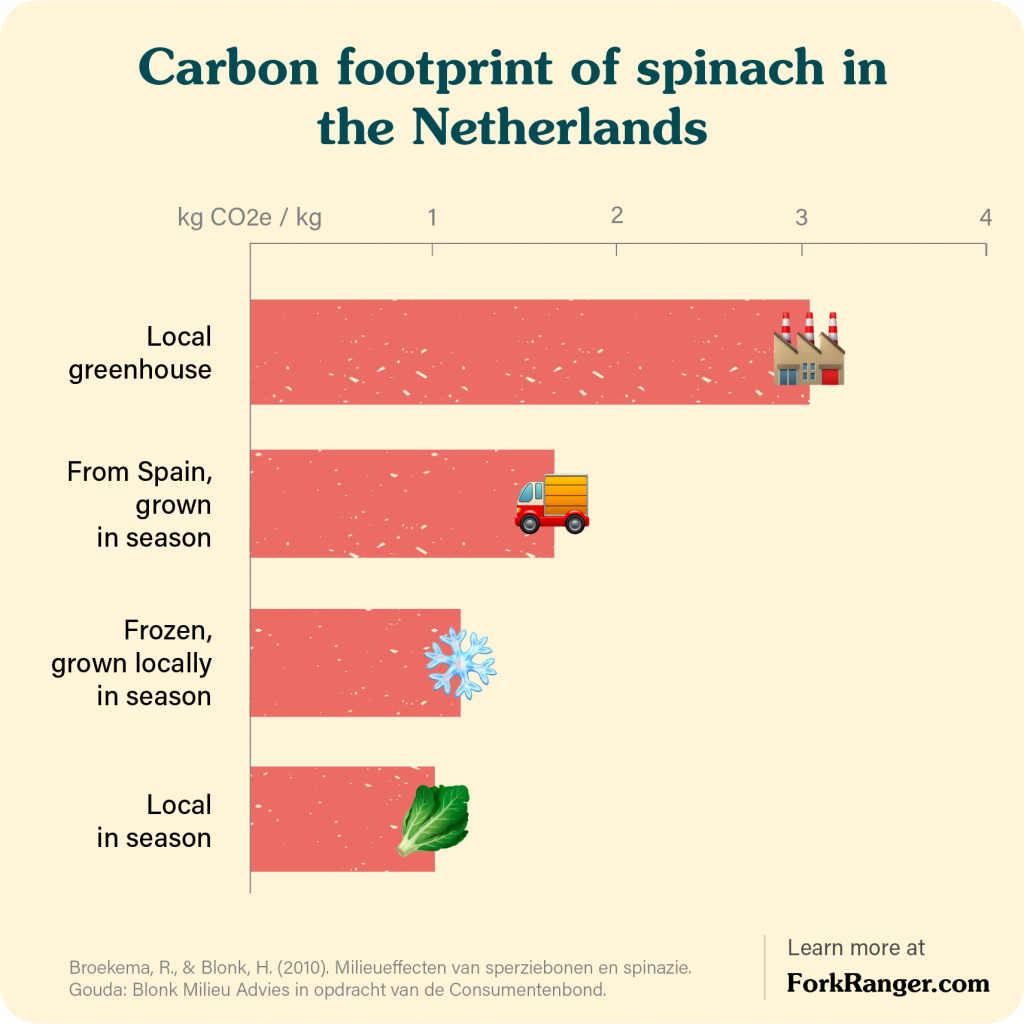
When something does not naturally grow in season, it costs a lot extra to produce it,
- in a greenhouse 🏭,
- to freeze it to prolong shelf-life ❄️,
- or to transport it from somewhere else 🚚.
In other words: convenience is costing us in energy and polution.
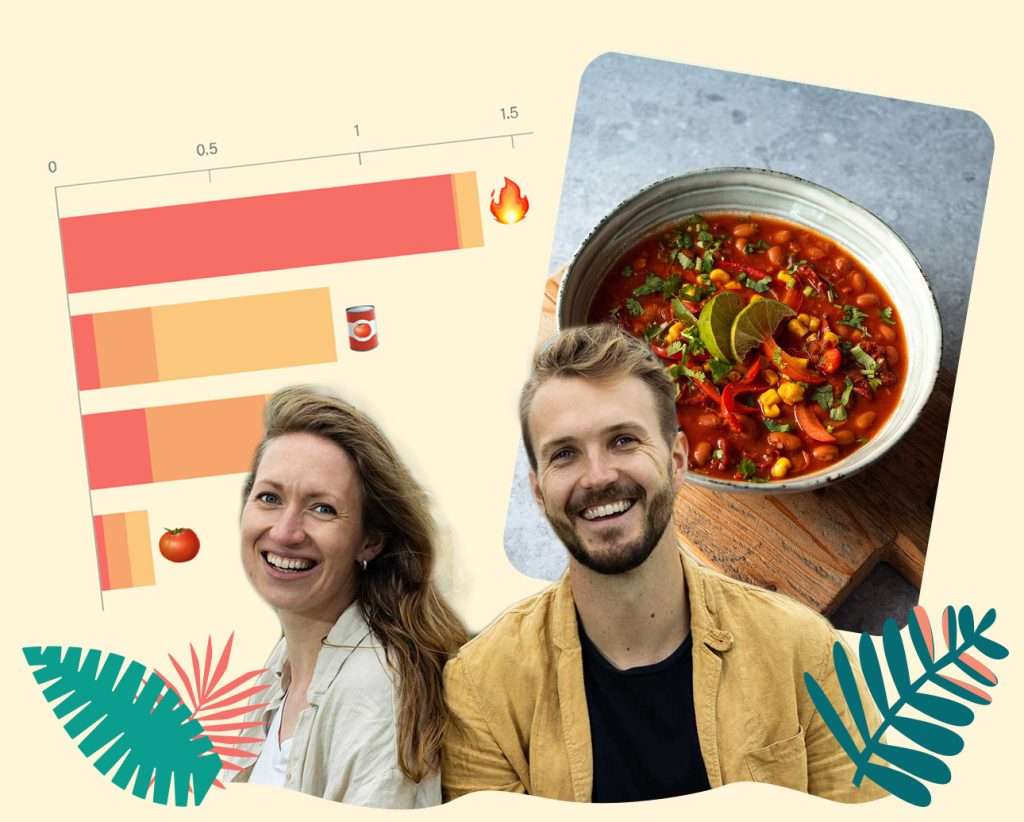
Just a simple example to visualize it, with spinach:
Luckily, it’s easy to make a change. By cooking and eating what’s in season and locally available, you can make a difference.
By choosing to make concious choices when shopping instead of going for convenience, you can already make a difference.
And as added benefit, eating in-season will also help you:
- appreciate variation in veggies and fruits more. Better enjoy those now!
- be more in-tune with nature – berries are best in spring and summer, kales come when it’s cold
- make it easier to support locally harvested from local farmers
- often automatically reduce your shopping costs

Auch eine Reise von tausend Kilometern beginnt mit einem ersten Schritt
Don’t leave without taking a small step: sign up for our newsletter and get our best recipe.
[mc4wp_form id=”23″]
[mc4wp_form id=”2051″]